
Domestic business travel is a routine part of operations for thousands of companies across India. Sales teams travelling to client cities, field executives visiting project sites, and managers attending regional meetings all generate travel allowance claims that companies reimburse in good faith. But good faith has limits. When those claims include fake hotel bills, inflated cab receipts, and trips that never happened, the damage adds up fast. That is precisely where a structured Employee Travel Fraud Investigation becomes not just useful but necessary.
According to the Association of Certified Fraud Examiners (ACFE) 2024 Report to the Nations, expense reimbursement fraud appears in 13% of occupational fraud cases and runs for an average of 18 months before anyone catches it. The median annual loss per scheme is around Rs 42 lakh. In India, where cash-heavy travel reimbursements and manual approval processes are still common, the vulnerability is even greater. This blog breaks down how this fraud happens, what it looks like in practice, and how professional investigation stops it.
The Many Faces of Travel Allowance Fraud in India: Why Background Checks for Domestic Travel Are Essential?
Fake Bills and Fabricated Receipts
The most direct form of employee travel expense fraud is submitting a bill for something that never happened. A blank hotel receipt collected during a prior legitimate trip gets filled in with a new date and a higher amount. A free receipt template downloaded from the internet becomes a taxi bill for a journey never taken. With design apps and AI-generated receipt tools widely available, creating convincing fake documents takes less than ten minutes.
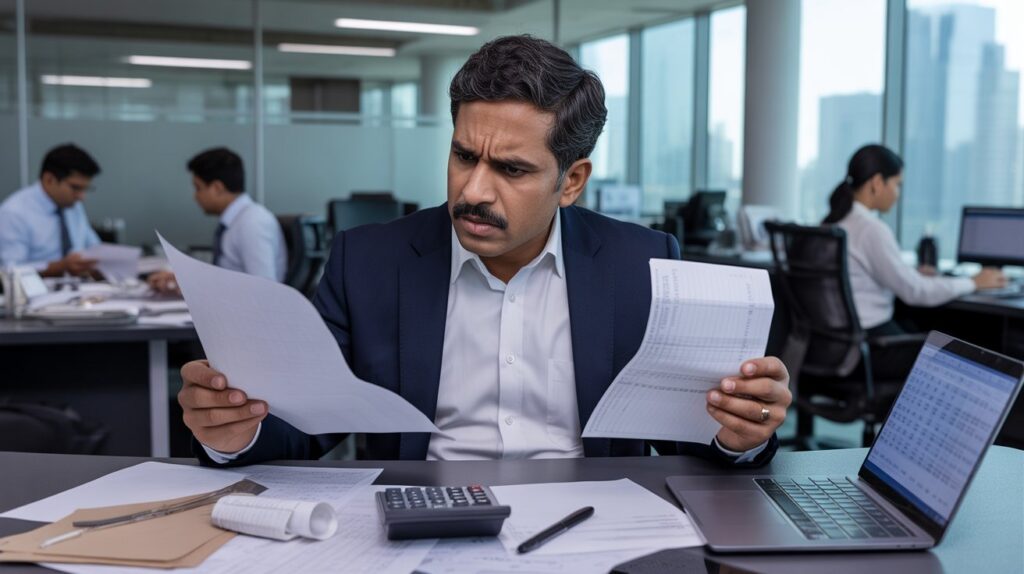
The tell-tale signs are there if you know where to look: inconsistent fonts on the same receipt, round-number totals that do not reflect actual pricing, hotel GST numbers that do not match registered entities, and submission dates that fall on weekends or public holidays when travel would be unusual. But spotting these manually, across hundreds of monthly claims, is practically impossible without dedicated scrutiny.
Inflated Claims on Legitimate Travel
Not all travel fraud involves entirely fake documents. Many employees take real trips but overstate the cost. A hotel stay that costs Rs 2,400 per night gets submitted as Rs 3,800. A cab ride of Rs 350 becomes Rs 600 on the expense report. Meals that cost Rs 180 are claimed at Rs 450. Each instance looks small, but across a field team of 30 people over 12 months, the cumulative leakage can reach lakhs. This pattern also surfaces through inflated mileage claims, where personal vehicle use for a client meeting is padded by 40 to 60 kilometres to extract a higher reimbursement.
Duplicate Submissions and Personal Expenses Hidden in Travel Claims
Duplicate billing is particularly common in organizations where paper receipts and digital uploads are processed by different teams. The same hotel bill from a March trip reappears in the May expense report, submitted through a different channel. Or an employee books a room on the company card and then also submits a reimbursement claim for the same stay from a personal account.
Personal expenses slipping into travel claims are equally common. A weekend family dinner near a client city gets billed as a “business meal.” A personal shopping trip becomes “miscellaneous travel expenses.” Without robust cross-referencing, these pass through undetected for months.
Identifying Fake Hotel Bills with Domestic Tour Investigation Services

Document-Level Red Flags
A meaningful portion of identifying fake hotel bills comes down to careful document scrutiny. Legitimate hotel invoices carry specific elements: the property’s registered GST number, a sequential bill number, the guest’s name, check-in and check-out dates, room tariff breakdowns, and applicable taxes. When any of these are missing, inconsistent, or verifiable against a GST portal check, the bill deserves closer examination.
Other visual red flags include: crisp, freshly-printed receipts for trips allegedly taken months ago, fonts that shift between sections of the same document, and hotel names that return no verifiable online presence. In one documented case from a pharma company’s internal audit, 18 out of 112 hotel bills submitted over six months listed a hotel address that corresponded to a residential building with no commercial establishment at the location.
Behavioural Patterns That Signal Fraud
Beyond the documents themselves, patterns in how claims are submitted often reveal fraud faster than any receipt analysis. Key behavioural signals include:
- One employee spends 35 to 40% more than peers making similar trips to the same cities: If an employee’s travel expenses are consistently much higher than others traveling to the same location for similar purposes, it may indicate inflated bills, upgraded services without approval, or possible manipulation of invoices. This pattern should be compared with peer benchmarks to identify unusual spending behavior.
- Consistent expense submissions on Fridays, Saturdays, or public holidays: Frequent submission of expenses during weekends or holidays can be suspicious, as most official travel-related billing and approvals typically happen on working days. This pattern may suggest backdated bills, rushed submissions to avoid scrutiny, or attempts to bypass standard verification processes.
- Claims from cities or locations not covered in the employee’s approved travel itinerary: When an employee submits bills from locations that were not part of their approved travel plan, it raises concerns about the authenticity of the claim. This could indicate personal travel being mixed with business expenses or entirely fabricated claims.
- Multiple hotel bills from the same property submitted within a single month for short trips: Submitting several hotel invoices from the same hotel within a short time frame especially for brief trips can be a sign of duplicated bills, reused invoices, or coordination with vendors to generate fake receipts. This pattern requires verification directly with the hotel.
- Sudden increase in claims volume from an employee who recently had a salary dispute or grievance: A noticeable spike in expense claims after an employee faces dissatisfaction (like a salary issue or conflict) can sometimes be a behavioral red flag. It may indicate an attempt to compensate for perceived losses by inflating or increasing reimbursements.
Properly identifying fake hotel bills requires both document forensics and behavioural pattern analysis working together. Neither alone is sufficient.
Why Internal Finance Teams Cannot Catch This Alone?
Finance teams process hundreds of claims monthly, often under time pressure to meet reimbursement cycles. Manual cross-checking of each receipt against GST records, verifying hotel existence, calling properties to confirm stays, and analyzing patterns across departments is simply not realistic at scale. This is not a criticism of finance teams; it is a structural problem that requires dedicated investigative support.
How Professional Investigation Agencies Uncover What Internal Audits Cannot?

Field Verification: Confirming What Actually Happened
The most effective element of professional travel investigation services in India is field-level verification. An investigator visits the hotel, lodge, or property listed on the receipt and confirms whether the employee actually stayed there on the claimed dates. This kind of ground-level verification takes the investigation beyond document analysis and into real-world confirmation.
Investigators also verify route claims, confirm client meeting attendance through discreet inquiries, and cross-check transport receipts against available GPS or phone location data when legally permissible. A sales executive from a mid-size FMCG company in Pune was found to have claimed 14 client visits over two months, of which 9 were confirmed through field verification to have never taken place. The total false claim amounted to Rs 2.8 lakh.
Document Forensics and GST Trail Verification
Professional agencies run systematic checks on submitted bills against the GST portal to verify whether the GSTIN on the invoice belongs to the establishment named, whether it is an active filing entity, and whether the claimed transaction date falls within an active registration period. Discrepancies at this level are almost impossible to explain away.
This is a core component of structured domestic tour investigation services, where the investigation team builds a verified evidence file against each suspect claim, complete with field reports, photo documentation, and GST audit findings.
Surveillance and Behavioural Investigation for Repeat Fraud Cases
When an employee is suspected of systematic travel fraud over an extended period, a single document audit is not enough. Targeted surveillance during the employee’s next assigned travel confirms whether claimed activities actually occurred. Investigators verify location, accommodation, and client interactions through direct observation and discreet inquiry, building a case file that is legally admissible and suitable for disciplinary action or, where applicable, police complaint.
Engaging a best detective agency in India for this kind of systematic investigation ensures the process is handled with the legal care and operational discretion that internal teams cannot provide.
Protecting Your Business from Employee Travel Fraud: What Companies Should Do Right Now
Build a Travel Policy With Zero Ambiguity
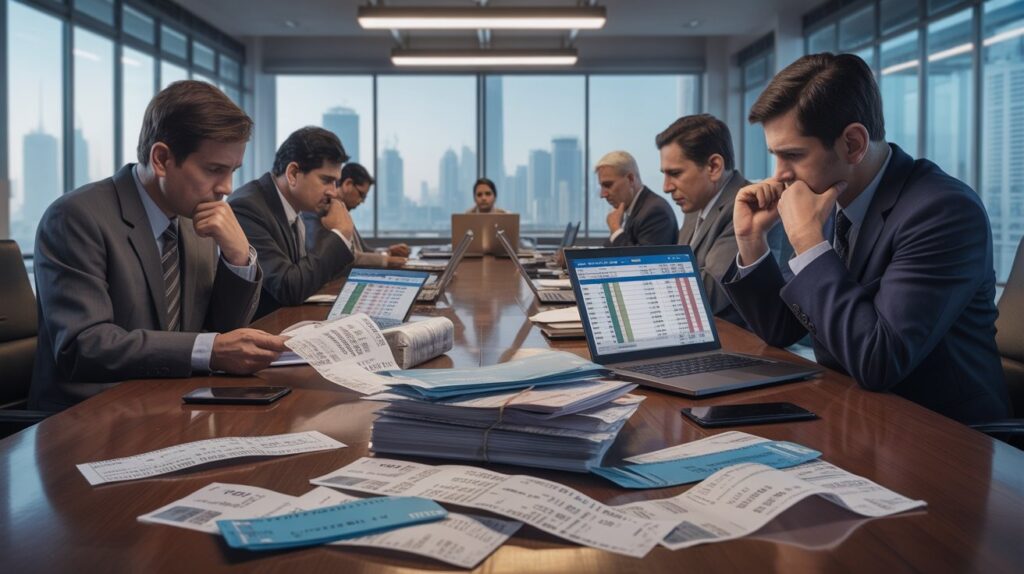
Many employee travel expense fraud cases persist because company policies leave too much room for interpretation. A solid travel policy defines exact per-day allowances for different city tiers, specifies approved accommodation categories, mandates original GST-compliant receipts, and sets clear approval hierarchies for different claim thresholds. When the policy closes every interpretive gap, fraudulent submissions become easier to identify.
The policy should also include explicit consequences for false claims, including immediate investigation, recovery of amounts, and termination where fraud is confirmed. The existence of a stated consequence is itself a deterrent.
Layer Technology With Human Investigation
Expense management software helps flag duplicate receipts, unusual spending patterns, and policy violations automatically. But technology alone does not verify whether a hotel stay actually happened, whether a client meeting took place, or whether a receipt was generated by a free online tool. Technology sets the flags. Human domestic tour investigation services verify what lies behind them.
Act Fast When Patterns Surface
The ACFE data shows travel fraud runs for an average of 18 months before detection. The longer it continues, the harder recovery becomes and the greater the reputational risk if it surfaces through an audit, investor due diligence, or regulatory review. When an internal flag appears, the right response is immediate investigation, not a quiet internal conversation that gives the employee time to destroy evidence.
Many organisations across India now partner with advisory-led verification firms for this. Fox Detective Agency is one example of a firm that integrates financial advisory with structured risk detection frameworks, helping businesses identify expense control gaps before they become fraud cases.
Conclusion
Travel allowance fraud is quiet, patient, and expensive. It rarely announces itself. It builds incrementally, one inflated receipt at a time, until the cumulative loss crosses into lakhs or, in documented cases, crores. The companies that contain it earliest are the ones that treat it as a serious business risk, not a minor HR issue.
A structured Employee Travel Fraud Investigation gives your organization the evidence, the methodology, and the legal foundation to address this risk head-on. Whether the problem is a single employee with a pattern of suspicious claims or a systemic issue across a field team, professional investigation delivers answers that internal processes simply cannot.
To understand how Fox Detective Agency’s travel investigation services in India work in practice, reach out for a confidential consultation today.